Introduction
위치 | 서울특별시 성동구 아차산로 116
용도 | 오피스
대지면적 | 1,930.70㎡
층수 | B4 – 9F
Location | 116 Achasan-ro, Seongdong-gu, Seoul, Republic of Korea
Program | Office
Site Area | 1,930.70㎡
Floor | B4 – 9F
Agenda

성수는 팝업 스토어 열풍과 급격한 젠트리피케이션으로 인해 기존 상권이 사라지고 지속가능성이 위협받고 있는 지역입니다. MUJI의 철학인 ‘자연 그대로의 소재’와 ‘비움의 미학’을 바탕으로, 목구조 중심의 설계를 통해 건축 폐기물을 줄이고 재활용 가능성을 높였습니다. MUJI 오피스를 통해 지속가능성의 상징이 되는 공간을 제안합니다.
Seongsu is a neighborhood where the rapid gentrification and the pop-up store boom have led to the disappearance of existing commercial districts, threatening its sustainability. Based on MUJI’s philosophy of “natural materials” and the “aesthetics of emptiness,” the design focuses on timber structures to reduce construction waste and increase the potential for recycling. Through the MUJI office, I propose a space that symbolizes sustainability.
Concept

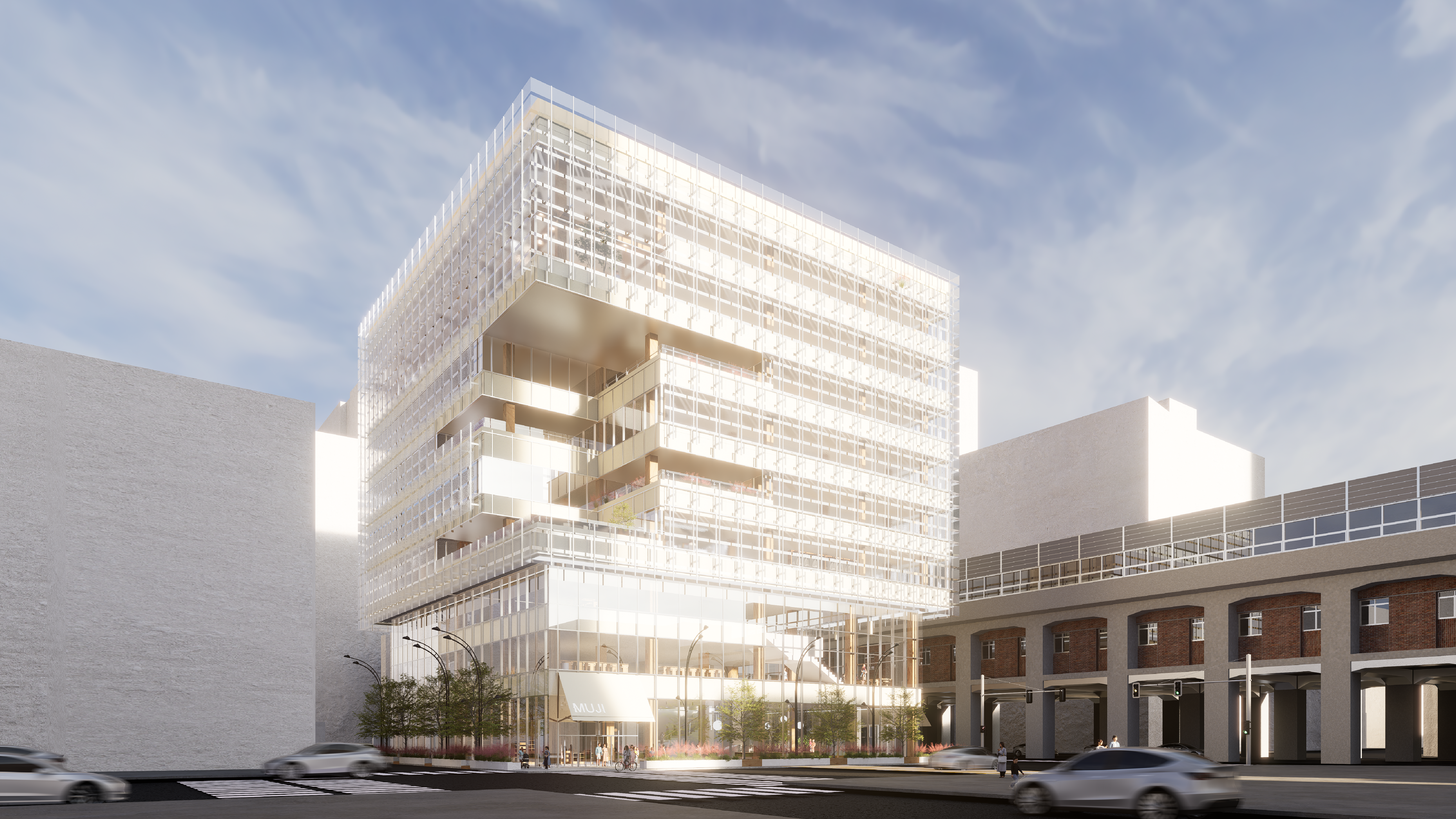
어디서든 자연을 누릴 수 있는 테라스를 곳곳에 배치하고, 고객의 소리와 직원들의 목소리가 자연스럽게 어우러지는 소통 중심의 공간을 지향합니다.
The design features terraces that allow people to enjoy nature anywhere, while creating a communication-focused space where the voices of customers and employees naturally converge
Site


성수동은 2021년을 기점으로 팝업 스토어 열풍이 시작되며 빠르게 변화하고 있는 지역입니다. 그러나 동시에 젠트리피케이션이 급속히 진행되면서, 기존의 상업시설들은 점차 밀려나고 대신 일시적인 팝업 스토어나 브랜드 숍들이 자리를 차지하고 있습니다. 특히 높아진 임대료로 인해 오히려 대형 백화점 내에 팝업을 여는 브랜드들이 늘고 있으며, 이는 성수 내 팝업 수요 감소로 이어지고 있습니다. 결과적으로, 성수는 지속가능성을 잃어가는 상업지구로 변모하고 있으며, 이는 지역의 장기적인 정체성과 안정성에 위협이 되고 있습니다. 이러한 변화의 중심에서, 성수는 단순한 트렌드의 소비지가 아닌 지속가능한 도시 문화를 다시 고민해야 할 시점에 놓여 있습니다.
Seongsu-dong has been rapidly transforming since 2021, driven by the boom of pop-up stores. However, this transformation has been accompanied by rapid gentrification, pushing out existing commercial businesses and replacing them with temporary pop-ups and brand shops. As rents continue to rise, more brands are opting to open pop-ups in large department stores instead, leading to a decrease in demand for pop-ups within Seongsu itself. As a result, Seongsu is turning into a commercial district that is losing its sustainability, threatening the long-term identity and stability of the area. At the center of this change, Seongsu now faces a critical moment to reconsider its direction—not just as a place of fleeting trends, but as a district that fosters a sustainable urban culture.
Design

Zoning

Program

Drawings


Detail Drawings


Sustainability Strategy


구조는 목구조 (GLT, CLT) 를 중심으로 구성되어 있어, 기존의 철근 콘크리트 구조보다 건축 폐기물을 줄이고 재활용 가능성을 높였습니다. 특히, 건물 시공 과정에서 발생하는 목재 폐기물은 향후 MUJI의 ‘RE-MUJI’ 프로그램과 연계해 재활용 제품으로의 전환 가능성도 고려했습니다. 외장에는 반투명 유리와 커튼월, 이중 외피 구조를 적용하여 단열성과 채광 효율을 동시에 확보하였고, 옥상 녹화, 태양광 패널, 바닥공조 시스템 등을 통해 에너지 소비를 최소화하며 친환경적인 운영이 가능하도록 했습니다.
The structure is primarily composed of timber (GLT, CLT), which reduces construction waste and increases the potential for recycling compared to conventional reinforced concrete structures. In particular, the wood waste generated during the construction process could potentially be repurposed into recycled products through MUJI’s ‘RE-MUJI’ program. The exterior incorporates translucent glass, curtain walls, and a double-skin facade, ensuring both insulation and natural lighting efficiency. Additionally, rooftop greening, solar panels, and an underfloor air distribution system help minimize energy consumption, enabling environmentally friendly building operation.
Images


Maquette


credit